Explore Mobile Phone Types and Form Factors
Mobile phones range from compact everyday handsets to large-screen devices designed for productivity, photography, and entertainment. Smartphones make up most of the category, with touchscreen interfaces, app support, internet access, and cameras. Foldable phones use flexible displays to open into a larger viewing area or fold into a more compact shape. Feature phones offer simpler calling and messaging, physical keypads, and fewer connected services. Screen size, weight, and form factor affect one-handed use, pocketability, and viewing comfort, so consider how you carry and use a phone throughout the day. Ubuy helps shoppers discover international mobile phone products across different styles and specifications. Compare product descriptions carefully, since model names and configurations can vary by market.
- Smartphones, foldables, and feature phones
- Choose a form factor for daily use
- Compare specifications by model
Compare Displays, Performance, and Connectivity
A phone's display influences readability, colour, and motion clarity. OLED and AMOLED screens typically provide rich contrast, while LCD panels are used across a range of models. Refresh rate, resolution, brightness, and screen protection are useful comparison points. Processing power, memory, and storage also shape performance: more RAM can help with multitasking, while ample internal storage suits large apps, photos, and video. Check whether storage can be expanded with a memory card, as many phones do not offer this option. Connectivity specifications may include 4G LTE or 5G, Wi-Fi, Bluetooth, NFC, and USB-C. Confirm that the phone supports the network bands and connection standards you need, and review SIM format, dual-SIM support, and eSIM availability before choosing.
- Compare display type and refresh rate
- Match network bands to your needs
- Check RAM, storage, and SIM options
Choose Cameras, Battery Life, and Charging
Mobile phone cameras vary in lens selection, sensor size, image processing, and video capability. A main camera may be paired with ultra-wide, telephoto, or macro lenses; optical image stabilisation can help reduce blur, while night modes and portrait tools support different scenes. Look beyond megapixel counts and consider the camera features you will actually use. Battery capacity, measured in milliampere-hours (mAh), is one indicator of endurance, but screen size, software, and network use also affect how often a phone needs charging. Charging options may include wired fast charging, wireless charging, or reverse wireless power sharing. Check which charging accessories are included and whether the phone supports the charger standard you already own. A protective case and screen protector can help guard against everyday wear.
- Compare camera lenses and stabilisation
- Consider battery capacity and charging
- Check included accessories and standards
Understand Operating Systems, Security, and Durability
The operating system determines the phone's interface, app ecosystem, customisation, and update experience. Android phones are available from brands such as Samsung and Google, while Apple's iPhone models use iOS; compare the systems with the devices and services you already use. Security features can include fingerprint readers, facial recognition, passkeys, and device encryption. Update policies matter for maintaining software features and security over time, so consult the manufacturer's information for the specific model. Build materials range from plastic and aluminium frames to glass backs, with differences in feel and handling. Some phones state an ingress protection rating for resistance to dust or water under defined test conditions; this should not be treated as permission for every exposure. Use a compatible case to suit your routine.
- Compare iOS and Android ecosystems
- Review security and update information
- Check materials and protection ratings
Check Compatibility, Accessories, and Everyday Use
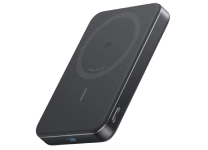
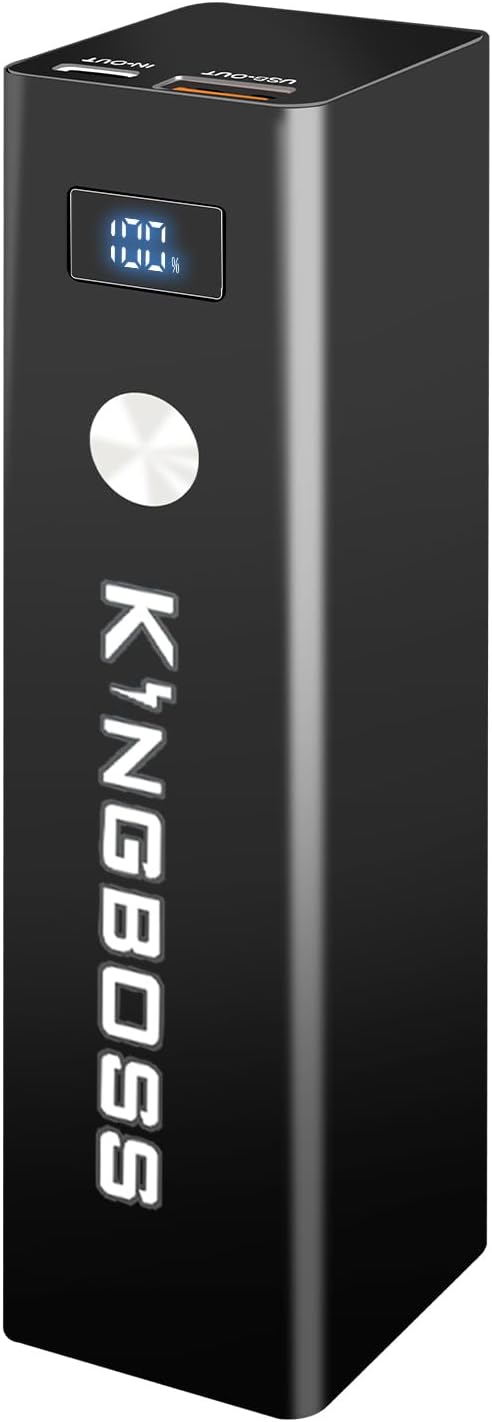
Before purchasing, match a mobile phone's physical and technical details to your needs. Verify SIM configuration, supported cellular frequencies, 5G capability, and carrier requirements; an unlocked label alone does not confirm compatibility with every network. Check dimensions, weight, connector type, and wireless standards for your existing accessories. Common add-ons include USB-C or Lightning cables, wall adapters, wireless earbuds, car mounts, power banks, cases, and screen protectors. For work or study, consider mobile hotspot features, video-call quality, storage, and support for productivity apps. For travel or frequent photography, battery management, camera controls, and eSIM support may be useful. Ubuy offers a way to explore international mobile phone listings and related accessories; read each listing's specifications and included-items details to assess whether a product suits your setup.
- Verify carrier and accessory compatibility
- Check what comes in the box
- Match features to daily routines
Select the Right mobile phones
Start with your budget and essential priorities, such as reliable everyday performance, a capable camera, a large display, compact handling, or long-lasting battery use. Shortlist phones by operating system, screen size, storage, network support, and the features that matter most; then compare detailed specifications rather than relying on a single headline feature. Consider the total setup too, including a suitable charger, protective case, and any adapters needed for your accessories. For instance, a content creator may value camera versatility and storage, while a frequent traveller may prioritise battery capacity, eSIM support, and broad network compatibility. Read product details to distinguish similar model variants, including memory and regional specifications. Choosing a phone that fits your habits and existing devices can make everyday use simpler and help you avoid paying for features you do not need.
- Prioritise must-have features
- Compare exact model variants
- Choose for your habits and devices