Explore Children's Books by Age and Reading Stage
Children's books support early language, imagination, curiosity, and independent learning, with formats suited to different ages and reading abilities. Babies and toddlers often enjoy sturdy board books with simple words, clear pictures, and interactive elements. Picture books combine illustrations and short text for shared reading, while early readers use controlled vocabulary and accessible sentence structures to build confidence. Chapter books and middle-grade fiction offer longer stories for developing readers, and illustrated nonfiction can introduce subjects such as nature, science, history, and art. Age labels are useful starting points, but children's interests, attention spans, and reading experience also matter. Browsing children's books on Ubuy can help shoppers discover titles and editions from international publishers and compare formats for a child's current stage.
- Options for babies through middle-grade readers
- Picture books, early readers, and longer fiction
- Choose by ability, interest, and reading stage
Compare Picture Books, Fiction, and Nonfiction
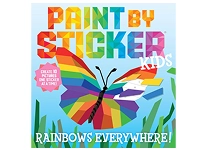
The children's book category spans imaginative stories, factual reading, and books designed for participation. Picture books use artwork, pacing, and concise text to tell a complete story, making them popular for bedtime and family reading. Fairy tales, folktales, fantasy, mystery, adventure, humor, and realistic fiction offer different themes for young readers. Nonfiction includes biographies, atlases, animal guides, science titles, and practical introductions to everyday topics. Activity books may feature puzzles, drawing prompts, stickers, or simple learning exercises, while poetry and nursery rhyme collections introduce sound, rhythm, and repeated language. Consider whether a child prefers illustrations, stories, facts, or hands-on activities, and check the product description for intended age, reading complexity, themes, and included components before choosing.
- Fiction, nonfiction, poetry, and activity books
- Themes for varied interests and reading goals
- Check age guidance and product details
Find Suitable Reading Levels and Themes
A good match balances challenge with enjoyment. For beginning readers, look for familiar vocabulary, short sentences, generous spacing, and illustrations that support the text without giving away every detail. More confident readers may enjoy longer chapters, richer vocabulary, and plots with multiple characters or settings. Reading-level systems vary among publishers, so use stated age ranges as guidance rather than a strict rule. Themes also shape a child's experience: friendship, family, feelings, animals, discovery, and problem-solving are common choices, while specific interests can encourage reluctant readers to pick up a book. For younger children, consider whether the story is reassuring and easy to follow; for older readers, review themes and complexity to determine suitability. Reading together and inviting children to choose can make books part of an enjoyable routine.
- Consider vocabulary, sentence length, and pacing
- Use age ranges as flexible guidance
- Follow interests to encourage regular reading
Choose Formats, Materials, and Useful Features
Format affects how a children's book feels in everyday use. Board books have thick pages suited to frequent handling, while paperback editions are lightweight and often easy to carry. Hardcovers can offer a sturdy binding, and large-format picture books provide room for detailed illustrations. Look at page count, trim size, font legibility, image contrast, and binding when comparing editions. Some titles include lift-the-flap panels, textures, pop-ups, sound buttons, or reusable activity elements; check care instructions and recommended age because interactive parts may need gentle handling. For travel or shared reading, a compact size or a boxed collection may be practical. Keep books dry, store them away from direct sunlight, and use clean hands to help preserve pages and covers, especially on books used by younger children.
- Board, paperback, hardcover, and interactive formats
- Compare size, binding, print, and page count
- Store books cleanly and protect delicate features
Compare Editions, Publishers, and Collections
When comparing children's books, check the edition details rather than relying on a title alone. Different versions may vary in language, illustrations, page layout, binding, included activities, or whether a book is part of a series. Collections and boxed sets can help readers follow recurring characters or explore a subject across several volumes; confirm the titles included and whether the set is complete. Publishers such as Scholastic, Usborne, HarperCollins, and Penguin Random House are associated with a broad range of children's reading, though each title and edition should be assessed on its own merits. Look for clear product specifications and consider whether the book suits gifting, classroom use, bedtime reading, or independent browsing. Ubuy provides a place to discover international children's book editions and compare product information across listings.
- Verify edition, language, and set contents
- Compare publisher and product specifications
- Consider series order and intended use
Select the Right children books
Start by identifying the reader's age range, current reading confidence, favorite topics, and preferred format. For a first book, sturdy pages, engaging illustrations, and a simple story can suit shared reading; an emerging reader may benefit from manageable text and a topic they already enjoy. For gifts, consider a broadly appealing theme, a series starter, or a nonfiction title connected to a hobby. Review the edition, language, dimensions, binding, and any interactive components so the product matches expectations. If choosing for a group, such as siblings or a classroom, consider variety in reading levels and subjects rather than assuming one title will suit everyone. Ubuy can help shoppers explore children's books from international sources; use the listing details to compare options and select a book that feels inviting and appropriate for its intended reader.
- Match the book to reader and purpose
- Check edition details before purchasing
- Choose an inviting topic and suitable format