Gardening Hand Tools for Everyday Garden Care
Gardening hand tools help with precise, close-up tasks that larger equipment may not handle comfortably. A well-chosen collection can support planting flowers and vegetables, loosening soil, pruning stems, removing weeds, and keeping containers tidy. Common essentials include a hand trowel, transplanter, hand fork, weeder, pruning shears, and watering accessories. These tools suit raised beds, borders, greenhouses, balconies, and small garden plots, as well as detail work around established plants. Choosing tools suited to your space and gardening habits can make routine jobs easier to manage. Ubuy offers a way to discover international gardening hand tools and compare different product styles. Consider how often you garden, what you grow, and how much storage space you have before adding tools to your collection.
- Useful for planting, pruning, weeding, and soil care
- Options for beds, containers, and small spaces
- Choose tools to match your garden routine
Types of Gardening Hand Tools and Their Uses
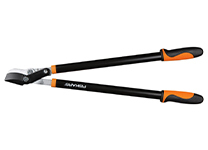
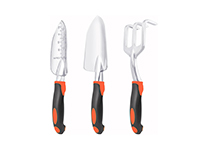
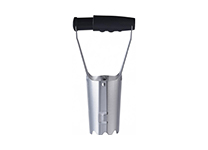
Each hand tool is designed around a particular garden task. A trowel scoops soil for planting and transplanting, while a narrow transplanter helps place seedlings in tighter spaces. Hand forks loosen compacted earth and mix in compost; cultivators with several prongs are useful for breaking surface crusts between plants. Weeding knives and hand weeders can help reach unwanted growth around paving or within beds. Bypass pruning shears make clean cuts on living stems, whereas anvil-style shears press material against a flat surface and may suit dry, woody growth. Snips are suited to delicate stems and harvesting herbs. Small hand rakes gather debris in confined areas, and bulb planters create planting holes. Compare tool shape, cutting action, reach, and intended use to find the right fit for your garden.
- Trowels and forks support planting and soil work
- Weeders and cultivators address unwanted growth
- Shears and snips are made for cutting tasks
Materials, Handles, and Helpful Tool Features
Blade and head materials affect durability, weight, and upkeep. Stainless steel resists rust and is easy to clean, while carbon steel is valued for strength but should be dried after use to limit corrosion. Aluminum heads can reduce weight for some jobs. Handles may be made from wood, molded plastic, or composite materials; compare grip shape, length, balance, and surface texture for comfortable control. Soft-grip coatings can make repeated tasks easier on the hands, while ergonomic designs may reduce awkward wrist positioning. Look for securely attached heads, smooth edges where hands rest, and replaceable parts if long-term repair matters. Locking mechanisms on pruning tools should operate reliably, and blade guards can help protect cutting edges during storage. Brands such as Fiskars, Felco, and Gardena offer recognizable examples across garden tool categories; compare specific models and features rather than relying on a name alone.
- Compare steel, aluminum, wood, and composite parts
- Assess grip, balance, and handle comfort
- Check joints, locks, guards, and replaceable parts
Choose Hand Tools for Plants and Garden Tasks
Match a tool to the plants and conditions you work with. For seedlings and pots, a narrow trowel and gentle hand fork offer control in limited space. Vegetable beds may call for a sturdy trowel, cultivator, and pruning shears for harvesting or removing damaged growth. Rock gardens and dense borders can benefit from compact tools with shorter heads that maneuver between plants. For woody stems, check the cutting capacity specified by the maker and select a suitable pruning tool rather than forcing a small blade. Soil texture matters too: heavy or compacted ground may need a stronger fork, while loose potting mix calls for lighter handling. If you are comparing international products on Ubuy, review dimensions, materials, and stated uses to assess whether a tool suits your plants, grip, and gardening setup.
- Consider plant type, soil, and available working space
- Check cutting capacity before pruning woody stems
- Review dimensions and stated uses when comparing tools
Cleaning, Maintenance, and Safe Storage
Basic care helps gardening hand tools stay ready for regular use. Brush soil from blades and prongs after each session, then wash off stubborn residue and dry metal surfaces thoroughly. Remove sap from pruning blades with a suitable cleaner, and sharpen cutting edges according to the tool maker's guidance. A small amount of protective oil can help limit rust on appropriate metal parts; avoid applying it to surfaces that contact edible plants unless the product instructions allow it. Tighten loose fasteners and inspect handles for cracks before use. Store tools in a dry, organized place, with sharp edges covered and cutting tools locked closed. Keep handles visible and accessible to reduce misplaced equipment. Wear suitable gloves and eye protection when tasks call for them, and use each tool for its intended purpose to reduce damage and the risk of injury.
- Clean and dry tools after garden work
- Inspect handles, fasteners, and cutting edges
- Store sharp tools safely in a dry place
Select the Right gardening hand tools
Build a useful collection by starting with the jobs you perform most often rather than buying every tool at once. For general planting and bed care, a trowel, hand fork, and dependable pruner form a practical foundation; add a weeder, cultivator, or hand rake when your garden needs them. Compare complete weight, working-head dimensions, handle comfort, material, and cleaning requirements. If possible, consider how the grip feels in your hand and whether the tool can reach the areas you tend. Check compatibility for accessories such as replacement blades, guards, or handle parts, and review care instructions before purchase. Ubuy can help shoppers discover international options across gardening hand tools, from compact implements to specialized pruning equipment. A thoughtful choice balances task suitability, comfort, durability, and storage needs for the way you garden.
- Start with tools for your most frequent tasks
- Compare comfort, dimensions, materials, and care
- Consider storage and compatible replacement parts